Support & Resources

Expert Videos

VideoImage

Patient considerations when determining frontline treatment

Dr. Kenneth Shain, Director of the Myeloma Working Group at Moffitt Cancer Center (Tampa, Florida), discusses a typical patient seen in his practice and how he reviews safety and efficacy data along with NCCN Clinical Practice Guidelines in Oncology (NCCN Guidelines®) when choosing a frontline treatment option.

View Transcript
VideoImage

MAIA study on frontline treatment with DARZALEX® + Rd vs Rd alone, including primary results and post hoc analysis in frail patients

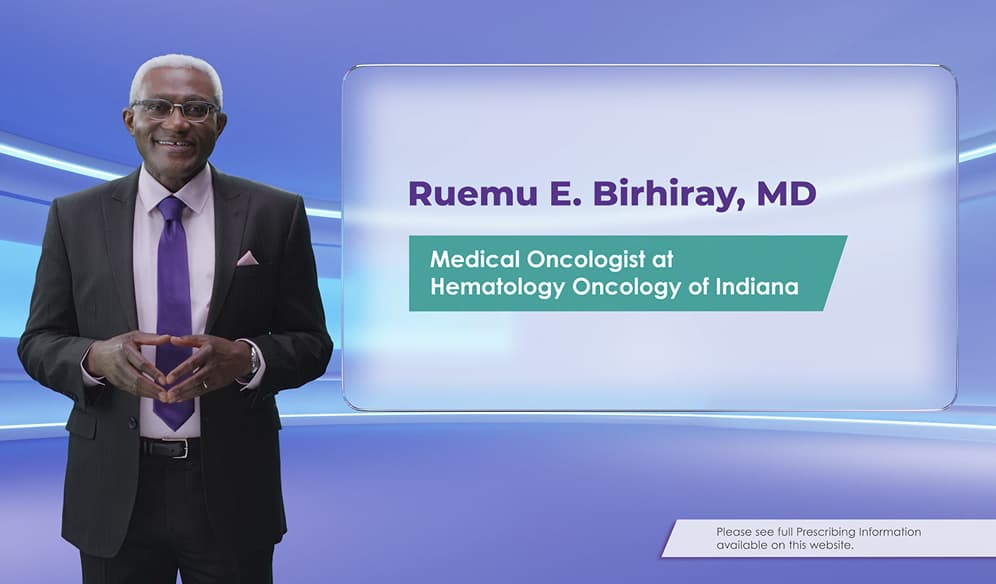
Dr. Ruemu Birhiray, the founder of Indy Hematology Review, explores safety and efficacy data of the MAIA trial, including a post hoc analysis in frail patients.

View Transcript
VideoImage

MAIA study of patients on frontline triplet DARZALEX® + Rd vs Rd alone, along with post hoc high-risk subgroup analysis

Dr. Kenneth Shain reviews the efficacy and safety of DRd vs Rd from the MAIA trial, including a post hoc subgroup analysis in patients with a high-risk cytogenetic profile.

View Transcript
VideoImage

Continuous frontline treatment with DARZALEX® + Rd and patient outcomes

Dr. Suzanne Reim Fanning, Associate Professor at USC School of Medicine Greenville, discusses what the research says about the importance of continuing frontline treatment with DARZALEX® until disease progression or unacceptable toxicity, and how doing so shapes outcomes for patients with multiple myeloma.

View Transcript

DRd=DARZALEX® (D) + lenalidomide (R) + dexamethasone (d); NCCN=National Comprehensive Cancer Network; Rd=lenalidomide (R) + dexamethasone (d).

Mechanism of Action

Mechanism of Action

Understanding the science behind DARZALEX FASPRO® and DARZALEX®

How daratumumab works1,2

Daratumumab is a CD38-targeted monoclonal antibody, which is an immunotherapy that works with the immune system.

Myeloma cells go unrecognized

Multiple myeloma cells can go unrecognized by the body, which allows them to grow.

Daratumumab attaches itself

Daratumumab attaches itself to the CD38 protein on the surface of multiple myeloma cells, as well as on certain other types of cells, such as red blood cells.

Daratumumab kills myeloma

Daratumumab directly kills multiple myeloma cells and/or allows the immune system to identify and destroy them. Because of the way daratumumab works, it may also affect normal cells.

Mechanism of Action Videos

VideoImage

Daratumumab MOA video

View Transcript

00:00:04

M: Darzalex, daratumumab, Mechanism of Action.

00:00:07

F: Darzalex, daratumumab, is indicated for the treatment of adult patients with multiple myeloma in combination with lenalidomide and dexamethasone in newly diagnosed patients who are ineligible for autologous stem cell transplant and in patients with relapsed or refractory multiple myeloma who have received at least one prior therapy; in combination with bortezomib, melphalan, and prednisone in newly diagnosed patients who are ineligible for autologous stem cell transplant; in combination with bortezomib, thalidomide, and dexamethasone in newly diagnosed patients who are eligible for autologous stem cell transplant; in combination with bortezomib and dexamethasone in patients who have received at least one prior therapy; in combination with carfilzomib and dexamethasone in patients with relapsed or refractory multiple myeloma who have received one to three prior lines of therapy; in combination with pomalidomide and dexamethasone in patients who have received at least two prior therapies, including lenalidomide and a proteasome inhibitor; as monotherapy in patients who have received at least three prior lines of therapy, including a proteasome inhibitor, PI, and an immunomodulatory agent or who are double refractory to a PI and an immunomodulatory agent.

00:01:37

M: CD38 is a transmembrane glycoprotein with multiple functions, such as receptor-mediated adhesion, signaling, and modulation of cyclase and hydrolase activity. CD38 is expressed on hematopoietic cells, other cell types and tissues, and is overexpressed on multiple myeloma cells.

00:01:59

Darzalex is a first-in-class monoclonal antibody that targets CD38. Darzalex inhibits tumor cell growth through immune-mediated, direct on tumor, and immunoregulatory actions. Darzalex may also have an effect on normal cells. For the remainder of this video, we will discuss the potential effect of Darzalex on multiple myeloma tumor cells.

00:02:26

When Darzalex binds to CD38 on the surface of myeloma cells, it inhibits the growth of CD38 expressing tumor cells through several immune-mediated mechanisms. These include the initiation of the complement cascade resulting in complement-dependent cytotoxicity, CDC, by which tumor cells are lysed through recruitment of factors in the serum; the targeting of myeloma cells by effector cells for destruction through antibody-dependent cell-mediated cytotoxicity, ADCC; and the marking of myeloma cells for elimination by macrophages via antibody-dependent cellular phagocytosis, ADCP. Darzalex also has direct on-tumor action, occurring upon crosslinking and resulting in apoptosis of myeloma cells.

00:03:17

Darzalex also works through immunoregulatory actions. CD38 is found on a subset of immunosuppressive regulatory T-cells, Tregs; regulatory B-cells, Bregs; and on myeloid derived suppressor cells, MDSCs, all three of which are also implicated in cancer cell immune evasion. Darzalex specifically decreases CD38 positive Tregs, Bregs, and MDSCs. By combining immune-mediated activity with direct on-tumor and immunoregulatory actions, Darzalex provides a multifaceted approach to promoting myeloma cell death.

00:03:58

[Indications]

00:05:20

[Important Safety Information]

00:13:09

VideoImage

Daratumumab and hyaluronidase-fihj MOA video

View Transcript

00:00:03

F: Darzalex Faspro, daratumumab and hyaluronidase, is indicated for the treatment of adult patients with multiple myeloma in combination with lenalidomide and dexamethasone in newly diagnosed patients who are ineligible for autologous stem cell transplant and in patients with relapsed or refractory multiple myeloma who have received at least one prior therapy; in combination with bortezomib, melphalan, and prednisone in newly diagnosed patients who are ineligible for autologous stem cell transplant; in combination with bortezomib, thalidomide, and dexamethasone in newly diagnosed patients who are eligible for autologous stem cell transplant; in combination with bortezomib, lenalidomide, and dexamethasone for induction and consolidation in newly diagnosed patients who are eligible for autologous stem cell transplant; in combination with carfilzomib and dexamethasone in patients with relapsed or refractory multiple myeloma who have received one to three prior lines of therapy; in combination with lenalidomide and dexamethasone in newly diagnosed patients who are ineligible for autologous stem cell transplant and in patients with relapsed or refractory multiple myeloma who have received at least one prior therapy; in combination with pomalidomide and dexamethasone in patients who have received at least one prior line of therapy, including lenalidomide and a proteasome inhibitor, PI; in combination with bortezomib and dexamethasone in patients who have received at least one prior therapy; as monotherapy in patients who have received at least three prior lines of therapy, including a PI and an immunomodulatory agent or who are double refractory to a PI and an immunomodulatory agent.

00:01:48

F: Darzalex Faspro is a CD38 directed cytolytic antibody combined with hyaluronidase, an endoglycosidase that is given as a three-to-five-minute subcutaneous injection.

00:02:04

[Select Important Safety Information]

00:02:54

F: Darzalex Faspro is administered by a healthcare provider as a subcutaneous injection in the abdomen over approximately three to five minutes. Daratumumab, the active ingredient in Darzalex Faspro, attaches itself to the CD38 protein on the surface of multiple myeloma cells as well as on certain other types of cells, such as red blood cells. Daratumumab directly kills multiple myeloma cells and/or allows your immune system to identify and destroy them. Because of the way daratumumab works, Darzalex Faspro may also affect normal cells.

00:03:30

Darzalex Faspro contains daratumumab co-formulated with a recombinant form of hyaluronidase that increases permeability of subcutaneous tissue. This process allows 15 ml of solution containing 1,800 mg of daratumumab to be delivered in a single subcutaneous injection. After subcutaneous injection, hyaluronidase interacts with hyaluronan, a polysaccharide in the extracellular matrix of the subcutaneous tissue that has a half-life of approximately 0.5 days. As a component of Darzalex Faspro, hyaluronidase is an enzyme that works locally to depolymerize hyaluronan.

00:04:10

Hyaluronidase increases the dispersion of daratumumab in the subcutaneous space and absorption into the bloodstream when they are co-administered. Because the effects of hyaluronidase are temporary, the normal permeability of the subcutaneous tissue is restored within 24 to 48 hours.

00:04:28

Monitor patients for systemic administration-related reactions, especially following the first and second injections. For anaphylactic reaction or life-threatening grade 4 administration-related reactions, immediately and permanently discontinue Darzalex Faspro.

00:04:43

Darzalex Faspro offers fast administration for a wide range of patients with multiple myeloma.

00:04:50

[Indications]

00:06:27

[Important Safety Information]

00:14:31

DARZALEX FASPRO® is the first and only CD38-targeted monoclonal antibody in a subcutaneous formulation.1,3-8

DARZALEX FASPRO® contains recombinant hyaluronidase, which mimics hyaluronidase, a naturally occurring substance that increases permeability of subcutaneous tissue. This makes it possible for 15 mL containing 1,800 mg of daratumumab to be administered in approximately 3 to 5 minutes.1

Recombinant hyaluronidase works locally and transiently to degrade hyaluronan ([HA], a naturally occurring glycosaminoglycan found throughout the body) in the extracellular matrix of the subcutaneous space. It cleaves the linkage between the 2 sugars (N-acetylglucosamine and glucuronic acid) that comprise HA. Recombinant hyaluronidase has a half-life of 0.5 days.1

The effects of hyaluronidase are reversible and permeability of the subcutaneous tissue is restored within 24 to 48 hours.1

DARZALEX FASPRO® can cause serious adverse reactions, including systemic administration-related reactions (ARRs). DARZALEX FASPRO® may increase neutropenia and thrombocytopenia induced by background therapy, therefore monitor complete blood cell counts periodically during treatment.1

CD38=cluster of differentiation 38.

Regimens

Regimens

More FDA-approved regimens for DARZALEX FASPRO® and DARZALEX® than any other monoclonal antibody in multiple myeloma1,2,9

Newly diagnosed

Transplant ineligible

DARZALEX® + Rd/ DARZALEX FASPRO® + Rd

DARZALEX® + VMP/ DARZALEX FASPRO® + VMP

Transplant eligible

DARZALEX FASPRO® +
VRd

For induction and consolidation.

DARZALEX® + VTd DARZALEX FASPRO® + VTd

Relapsed or refractory

After ≥1 prior therapy

DARZALEX® + Rd/
DARZALEX FASPRO® + Rd

DARZALEX® + Vd/
DARZALEX FASPRO® + Vd

DARZALEX FASPRO® + Pd

Prior line of therapy including lenalidomide and a proteasome inhibitor (PI).

After 1-3 prior lines of therapy

DARZALEX® + Kd/
DARZALEX FASPRO® + Kd

After ≥2 prior therapies

DARZALEX FASPRO® + Pd

Prior line of therapy including lenalidomide and a proteasome inhibitor (PI).

After ≥3 prior therapies

DARZALEX® monotherapy/
DARZALEX FASPRO® monotherapy

Prior therapies included a PI and an immunomodulatory agent, or patients who were double-refractory to a PI and an immunomodulatory agent.

FDA=U.S. Food and Drug Administration; Kd=carfilzomib (K) + dexamethasone (d); Pd=pomalidomide (P) + dexamethasone (d); PI=proteasome inhibitor; Rd=lenalidomide (R) + dexamethasone (d); Vd=bortezomib (V) + dexamethasone (d); VMP=bortezomib (V) + melphalan (M) + prednisone (P); VRd=bortezomib (V) + lenalidomide (R) + dexamethasone (d); VTd=bortezomib (V) + thalidomide (T) + dexamethasone.

National Comprehensive Cancer Network® (NCCN®) Recommendations10

Daratumumab-containing regimens are recommended as treatment options by the NCCN Clinical Practice Guidelines in Oncology (NCCN Guidelines®)*†‡

The NCCN Guidelines® may contain data, conclusions, and recommendations that do not conform to the FDA-approved labeling for the products discussed herein and have not been evaluated by the FDA. No conclusions should be drawn. Daratumumab (DARZALEX®) and daratumumab and hyaluronidase-fihj (DARZALEX FASPRO®) should be used only as specified in the Prescribing Information.

Newly diagnosed transplant ineligible

Daratumumab* (D) in combination with lenalidomide (R) and dexamethasone (d) is recommended by the NCCN Guidelines as a Category 1 preferred therapeutic option for patients with newly diagnosed multiple myeloma when hematopoietic stem cell transplant is deferred or not indicated.

Safety and effectiveness of DRd in the transplant-deferred patient population has not been evaluated in a phase 3 study and has not been established.

FDA-Approved Indication

Daratumumab (DARZALEX®) and daratumumab and hyaluronidase-fihj (DARZALEX FASPRO®) are indicated for the treatment of adult patients with multiple myeloma in combination with lenalidomide and dexamethasone in newly diagnosed patients who are ineligible for autologous stem cell transplant.1,2

Newly diagnosed transplant eligible

Daratumumab* and hyaluronidase-fihj (D) in combination with bortezomib (V), lenalidomide (R), and dexamethasone (d) is recommended by the NCCN Guidelines® as a Category 1 preferred therapeutic option for patients with newly diagnosed multiple myeloma who are eligible for hematopoietic stem cell transplant.

The trial was not designed to isolate the effect of DARZALEX FASPRO® in the maintenance phase of treatment. The efficacy of DARZALEX FASPRO® + R for maintenance has not been established.1

Relapsed or refractory

NCCN Guidelines preferred regimens for early relapses (1-3 prior therapies)

DRd: daratumumab (D), lenalidomide (R), and dexamethasone (d)
(Category 1)

DVd: daratumumab (D), bortezomib (V), and dexamethasone (d)
(Category 1)

DKd: daratumumab (D), carfilzomib (K), and dexamethasone (d)
(Category 1)

After 1 prior therapy including lenalidomide and a PI

DPd: daratumumab (D), pomalidomide (P), and dexamethasone (d)
(Category 1)

NCCN Guidelines useful in certain circumstances

After at least 3 prior therapies including a PI and an immunomodulatory agent or are double-refractory to a PI and an immunomodulatory agent

Daratumumab
(Category 2A)

DKd=daratumumab (D) + carfilzomib (K) + dexamethasone (d); DPd=daratumumab (D) + pomalidomide (P) + dexamethasone (d); DRd=daratumumab (D) + lenalidomide (R) + dexamethasone (d); DVd=daratumumab (D) + bortezomib (V) + dexamethasone (d); DVRd=daratumumab (D) + bortezomib (V) + lenalidomide (R) + dexamethasone (d); FDA=U.S. Food and Drug Administration; HCT=hematopoietic cell transplant; NCCN=National Comprehensive Cancer Network; Pd=pomalidomide (P) + dexamethasone (d); PI=proteasome inhibitor.

*Daratumumab includes both daratumumab (DARZALEX®) for intravenous infusion and daratumumab and hyaluronidase-fihj (DARZALEX FASPRO®) for subcutaneous injection. Daratumumab and hyaluronidase-fihj for subcutaneous injection has different dosing and administration instructions compared with daratumumab for intravenous infusion.

See NCCN.org for definitions of NCCN Categories of Preference and NCCN Categories of Evidence and Consensus.

Daratumumab and hyaluronidase-fihj (DARZALEX FASPRO®) + Pd is FDA approved in patients who have received ≥1 prior line of therapy including lenalidomide and a proteasome inhibitor (PI). Daratumumab (DARZALEX®) + Pd is FDA approved in patients who have received ≥2 prior lines of therapy including lenalidomide and a PI.1,2

DARZALEX® and DARZALEX FASPRO® were studied in a wide range of clinical trials for multiple myeloma

Discover Clinical Data

Practice Support

Practice Support

Resources to support your practice

Dosing and administration guide

Step-by-step instructions on how to administer DARZALEX FASPRO® and DARZALEX®.

Download

Patient identification card

ID card informing healthcare providers about treatment with DARZALEX FASPRO® and DARZALEX®.

Download

Daratumumab and serologic testing brochure

Overview of what to know regarding serological testing interference and daratumumab.

Download

Specialty Distributor list

Specialty distributor list

List of Specialty Distributors and their contact information for ordering DARZALEX FASPRO® and DARZALEX®.

Download

DARZALEX FASPRO® administration video

VideoImage

View Transcript

00:00:05

F: Darzalex Faspro, daratumumab and hyaluronidase, is a subcutaneous formulation approved for the treatment of a wide range of patients with multiple myeloma.

00:00:14

Indications: Darzalex Faspro, daratumumab and hyaluronidase, is indicated for the treatment of adult patients with multiple myeloma in combination with bortezomib, lenalidomide, and dexamethasone for induction and consolidation in newly diagnosed patients who are eligible for autologous stem cell transplant; in combination with bortezomib, melphalan, and prednisone in newly diagnosed patients who are ineligible for autologous stem cell transplant; in combination with lenalidomide and dexamethasone in newly diagnosed patients who are ineligible for autologous stem cell transplant and in patients with relapsed or refractory multiple myeloma who have received at least one prior therapy; in combination with bortezomib, thalidomide, and dexamethasone in newly diagnosed patients who are eligible for autologous stem cell transplant; in combination with pomalidomide and dexamethasone in patients who have received at least one prior line of therapy, including lenalidomide and a proteasome inhibitor, PI; in combination with carfilzomib and dexamethasone in patients with relapsed or refractory multiple myeloma who have received one to three prior lines of therapy; in combination with bortezomib and dexamethasone in patients who have received at least one prior therapy; as monotherapy in patients who have received at least three prior lines of therapy, including a PI and an immunomodulatory agent or who are double refractory to a PI and an immunomodulatory agent.

00:01:49

[Select Important Safety Information]

00:02:36

F: Darzalex Faspro contains recombinant hyaluronidase, a substance that increases the permeability of subcutaneous tissue making it possible for 15 ml of daratumumab to be administered subcutaneously in approximately three to five minutes by a healthcare provider. It is available in a single dose vial with no dilution needed and Darzalex Faspro offers the same dosing schedule as Darzalex, daratumumab, for the approved indications. Please note the split first dose option for Darzalex is not applicable to Darzalex Faspro.

00:03:13

Darzalex Faspro is for subcutaneous use only. Do not administer intravenously. Premedicate patients one to three hours before each dose with a histamine-1 receptor antagonist, acetaminophen, and a corticosteroid. Monitor patients for systemic administration-related reactions, especially following the first and second injections. For anaphylactic reactions or life-threatening grade 4 administration-related reactions, immediately and permanently discontinue Darzalex Faspro.

00:03:45

Darzalex Faspro contains 1,800 mg of daratumumab and 30,000 units of hyaluronidase in a 15 ml solution. Store Darzalex Faspro vials in a refrigerator at two degrees Celsius to eight degrees Celsius, 36 degrees Fahrenheit to 46 degrees Fahrenheit, in the original carton to protect from light. Do not freeze or shake.

00:04:08

Before you begin, collect the supplies. You’ll need a vial of Darzalex Faspro, a 20-ml syringe, an appropriate gauge transfer needle per institution or practice protocol, and injection needles; 23-to-25-gauge injection needles were used in clinical trials for administration of Darzalex Faspro. If you prefer, you may use a winged infusion set to administer Darzalex Faspro. Also, gather any materials needed to adhere to aseptic guidelines in your facility.

00:04:39

First, remove the Darzalex Faspro vial from the refrigerator and allow to equilibrate to ambient temperature. Then, check the liquid in the vial. Keep the vial out of direct sunlight and do not shake. To prevent medication errors, it is important to check the vial labels and expiration to ensure that the drug being administered is Darzalex Faspro for subcutaneous injection and not Darzalex, daratumumab, which is given intravenously.

00:05:09

Visually inspect the vial contents and expiration. Do not use if opaque particles, discoloration, or other foreign particles are present.

00:05:19

Prepare the dosing syringe in controlled and validated aseptic conditions. If the syringe containing Darzalex Faspro is not used immediately, store the solution of Darzalex Faspro in the syringe for up to four hours at ambient temperature and ambient light. Discard after four hours if not used.

00:05:40

Using the transfer needle, withdraw the full content of the vial into a 20-ml dosing syringe. After transferring Darzalex Faspro, inspect dosing syringe visually for particulate matter and discoloration. Do not administer if opaque particles, discoloration, or other foreign particles are present.

00:06:00

After the solution is withdrawn into the syringe, replace the transfer needle with a syringe closing cap. Label the syringe appropriately to include the route of administration per institutional standards. Label the syringe with the peel-off label.

00:06:16

Darzalex Faspro makes subcutaneous administration possible starting with the first dose.

00:06:25

00:06:30

Choose the injection site on the abdomen. Rotate injection sites for each successive injection. Do not inject into skin on the abdomen that is tender, bruised, red, hard, or has scars. Select a site on the abdomen approximately three inches or seven centimeters to the right or left of the navel and cleanse the area. Wipe your chosen injection site with an alcohol swab and allow it to dry.

00:06:56

Remove the syringe closing cap and attach the injection needle to the syringe. To avoid clogging, perform this step immediately prior to injection. Prime the syringe and set the dose to 15 ml. When you and your patient are comfortable, start the injection. Pinch a two-inch fold of cleansed skin at the injection site on the abdomen. It is important to pinch enough skin to inject under the skin and not into the muscle.

00:07:25

Insert needle with a quick, dart-like motion at a 45-degree angle. Try to limit needle and syringe movement during the injection. If using a winged infusion set, secure with bandage if needed. Inject 15 ml of Darzalex Faspro into the subcutaneous tissue of the abdomen. Press the plunger with a constant rate of administration for approximately three to five minutes. If the patient feels pain, pause or slow down the rate of administration. If the patient still feels pain, consider using a different injection site on the opposite side of the abdomen to deliver the remainder of the dose.

00:08:04

Do not inject Darzalex Faspro at other sites of the body as no data are available. Injection sites should be rotated for successive injections. Do not administer other medications for subcutaneous use at the same site.

00:08:19

Depending on the dosing regimen and medical history, consider administering corticosteroids and other medications after the administration of Darzalex Faspro to minimize the risk of delayed systemic administration-related reactions which can occur 24 hours after administration. Monitor patients for systemic administration-related reactions, especially following the first and second injections. For anaphylactic reaction or life-threatening grade 4 administration-related reactions, immediately and permanently discontinue Darzalex Faspro.

00:08:53

In clinical trials, the term infusion reactions was used instead of systemic administration-related reactions. The term systemic administration-related reactions is used because Darzalex Faspro is not given by intravenous infusion.

00:09:09

Severe reactions include hypoxia, dyspnea, hypertension, tachycardia, and ocular adverse reactions, including choroidal effusion, acute myopia, and acute angle closure glaucoma. Other signs and symptoms of systemic administration-related reactions may include respiratory symptoms, such as bronchospasm, nasal congestion, cough, throat irritation, allergic rhinitis, and wheezing, as well as anaphylactic reaction, pyrexia, chest pain, pruritus, chills, vomiting, nausea, hypotension, and blurred vision.

00:09:46

Most systemic administration-related reactions were grade 1 or 2 and occurred with the first injection. The most common systemic administration-related reactions with Darzalex Faspro compared with Darzalex, daratumumab, were chills at 5% versus 12%, pyrexia at 5% versus 3%, and dyspnea at 1% versus 7% respectively. Grade 3 systemic administration-related reactions occurred in 2% of patients using Darzalex Faspro compared with 5% of those on Darzalex. No grade 4 systemic administration-related reactions were reported.

00:10:24

Systemic ARRs causing severe reactions include hypoxia, dyspnea, hypertension, tachycardia, and ocular adverse reactions, including choroidal effusion, acute myopia, and acute angle closure glaucoma. Other signs and symptoms of systemic administration-related reactions may include respiratory symptoms such as bronchospasm, nasal congestion, cough, throat irritation, allergic rhinitis, and wheezing as well as anaphylactic reaction, pyrexia, chest pain, pruritus, chills, vomiting, nausea, hypotension, and blurred vision.

00:11:03

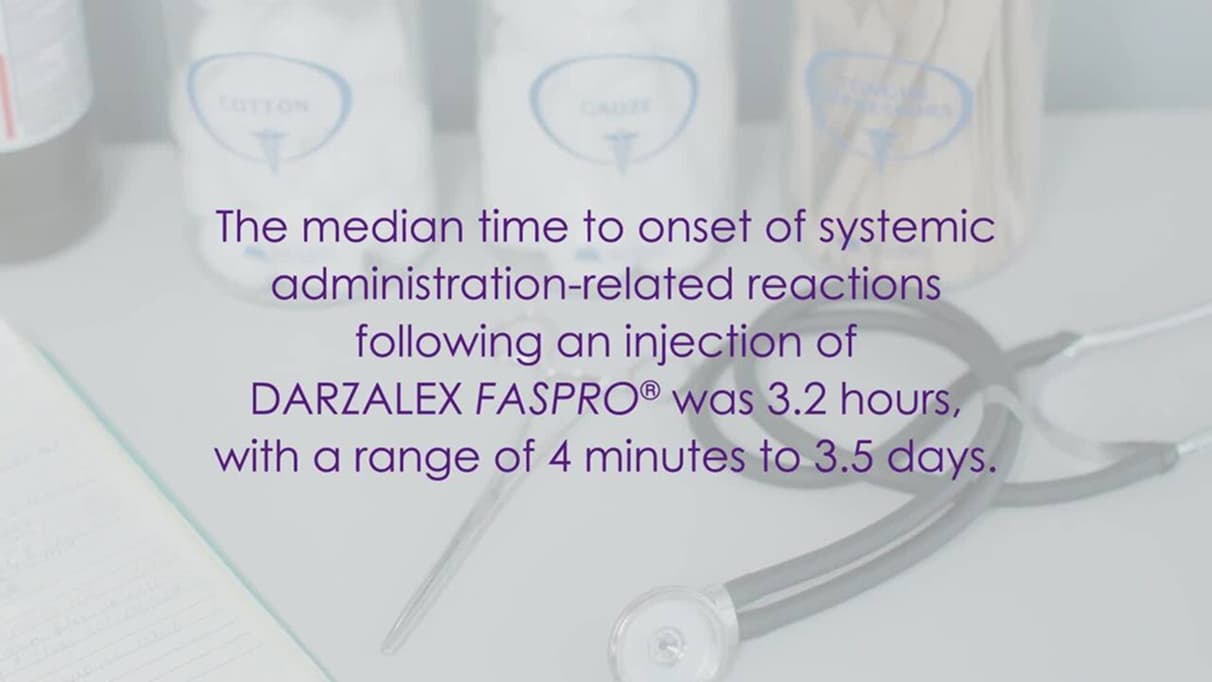
In a pooled safety population of 1,249 patients, the rate of systemic administration-related reactions was 7% for Darzalex Faspro. The median time to onset of systemic administration-related reactions following an injection of Darzalex Faspro was 2.9 hours, with a range of five minutes to 3.5 days. The majority of systemic administration-related reactions occurred on the day of treatment. Delayed systemic administration-related reactions, which were those occurring after the day of administration, have occurred in less than 1% of patients. These local reactions occurred a median of five minutes, range zero minutes to 6.5 days, after starting administration of Darzalex Faspro.

00:11:49

The incidence of any grade systemic administration-related reactions was 7% with the first injection of Darzalex Faspro at week one, 0.2% with the second injection at week two, and cumulatively 1% with subsequent injections. In this pooled safety population, 7% of patients had local injection-site reactions, with injection site erythema being the most frequent and occurring in less than 1% of patients. Monitor for local reactions and consider symptomatic management.

00:12:21

Darzalex Faspro offers eight approved indications, three-to-five-minute administration, and a ready-to-use vial. In pooled clinical trials, Darzalex Faspro demonstrated a 7% rate of administration-related reactions.

00:12:36

[Indications]

00:14:09

[Important Safety Information]

00:21:56

Patient Support & Resources

Once you have made the clinical decision to prescribe DARZALEX®, Johnson & Johnson has resources to help you support your patients.

Access and Affordability Resources Plus Personalized Support for Your Patients

At Johnson & Johnson, we are committed to helping people in their fight against cancer. Our J&J withMe program is here at every step to provide personalized support to help patients start and stay on their J&J medicines.

Access Support—to help navigate payer processes.

Affordability Resources—to help patients discover ways to afford their DARZALEX® or DARZALEX FASPRO® medicine.

Dedicated, free 1-on-1 Care Navigator Support for Your Patients
—offered
through DARZALEX withMe to support the nonclinical needs that may arise while on DARZALEX® or DARZALEX FASPRO®

Get started with J&J withMe

  • Visit Portal.JNJwithMe.com to investigate insurance coverage for your patients, enroll your patients in savings, or sign them up for Care Navigator support
  • Visit www.JNJwithMe.com/hcp/darzalex for access and affordability information for the J&J medicine you prescribed
  • Bookmark these links for quick and easy access!
  • Questions? Call 833-JNJ-wMe1 (833-565-9631), Monday through Friday, 8:00 AM to 8:00 PM ET

Get your patients connected to J&J withMe support by asking them to enroll at DARZALEXwithMe.com

Information about your patients’ insurance coverage, cost support options, and treatment support is given by service providers for J&J withMe. The information you get does not require you or your patients to use any Johnson & Johnson product. Because the information we give you comes from outside sources, J&J withMe cannot promise the information will be complete.

The patient support and resources provided by J&J withMe are not intended to give medical advice, replace a treatment plan from the patient’s healthcare provider, offer services that would normally be performed by the provider’s office, or serve as a reason to prescribe DARZALEX® or DARZALEX FASPRO®.

Once you have made the clinical decision to prescribe DARZALEX®, Johnson & Johnson has resources to help you support your patients.

Conversation starter guide

A tally of questions related to DARZALEX FASPRO® treatment that patients can choose from to discuss with their healthcare team.

Download

Customized conversation starter

Interactive tool that allows patients to create a list of questions for discussion with their healthcare team on topics relevant to their condition and DARZALEX FASPRO® treatment.

Download

Dosing calendar

Helps your patients stay on track with their DARZALEX FASPRO® treatment regimen.

Download

Patient brochure

Helps patients better understand treatment with DARZALEX FASPRO®.

Download

Patient website

A comprehensive resource dedicated to educating and supporting patients with multiple myeloma and their caregivers.

Visit now

What to expect guide

Help your patients understand what will happen before, during, and after treatment with DARZALEX FASPRO®.

Open guide

Real stories from real patients

Let your patients explore how other patients share their treatment experiences with DARZALEX FASPRO®.

View patient stories

Education and support groups

A list of organizations that provide education and support to patients with multiple myeloma.

View organizations

References:

  1. DARZALEX FASPRO® [Prescribing Information]. Horsham, PA: Janssen Biotech, Inc.
  2. DARZALEX® [Prescribing Information]. Horsham, PA: Janssen Biotech, Inc.
  3. Durie BGM, Hoering A, Abidi MH, et al. Bortezomib with lenalidomide and dexamethasone versus lenalidomide and dexamethasone alone in patients with newly diagnosed myeloma without intent for immediate autologous stem-cell transplant (SWOG S0777): a randomised, open-label, phase 3 trial. Lancet. 2017;389(10068):519-527.
  4. Kumar SK, Lacy MQ, Hayman SR, et al. Lenalidomide, cyclophosphamide and dexamethasone (CRd) for newly diagnosed multiple myeloma: results from a phase 2 trial. Am J Hematol. 2011;86:640-645.
  5. Reeder CB, Reece DE, Kukreti V, et al. Cyclophosphamide, bortezomib and dexamethasone induction for newly diagnosed multiple myeloma: high response rates in a phase II clinical trial. Leukemia. 2009;23:1337-1341.
  6. KYPROLIS® Prescribing Information. Amgen Inc; 2021.
  7. NINLARO® Prescribing Information. Takeda Pharmaceutical Company Ltd; 2022.
  8. VELCADE® Prescribing Information. Takeda Pharmaceuticals USA Inc; 2021.
  9. SARCLISA® (isatuximab-irfc) [Prescribing Information]. Bridgewater, NJ: Sanofi-Aventis U.S. LLC.; 2025.
  10. Referenced with permission from the NCCN Clinical Practice Guidelines in Oncology (NCCN Guidelines®) for Multiple Myeloma V.5.2026. © National Comprehensive Cancer Network, Inc. 2026. All rights reserved. Accessed January 12, 2026. To view the most recent and complete version of the guideline, go online to NCCN.org. NCCN makes no warranties of any kind whatsoever regarding their content, use or application and disclaims any responsibility for their application or use in any way.